The Best Full-stack Developer course in Coimbatore
Course Overview:
Learn with the Best Full-Stack Developer Course in Coimbatore and become a certified web developer. Aspiring developers who want to become proficient in both front-end and back-end technologies should take this course. You will acquire the skills necessary to thrive in the fast-paced tech sector of today by learning how to design, develop, and implement contemporary web apps through real-world, hands-on projects.
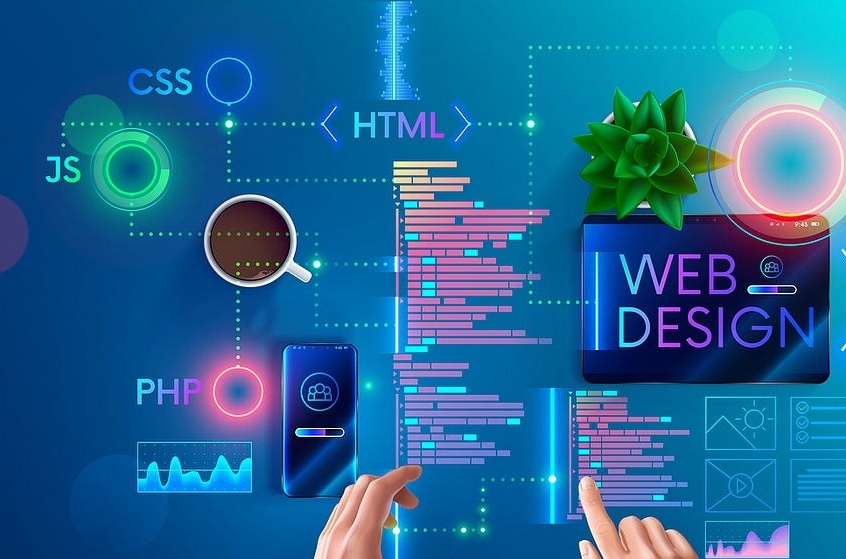
Start your web development journey with the essentials. Learn HTML and CSS to build well-structured, visually appealing web pages. our Full-Stack Developer Course in Coimbatore, focuses on creating responsive designs that adapt seamlessly to any device, giving you the skills to confidently handle real-world web development projects.
Course Structure:
The course is divided into six modules for the Full Stack Developer Course in Coimbatore:
- Module 1: HTML and CSS Basics
- Module 2: JavaScript Fundamentals
- Module 3: React Basics
- Module 4: Node.js Basics
- Module 5: Express.js Basics
- Module 6: Building a Full-Stack Web Application
Front-End Development:
The front-end, or client-side, of web development involves everything that users interact with directly on their web browsers. The curriculum typically includes:
- HTML/CSS: The building blocks of web design, where HTML structures the content and CSS styles it for a visually appealing interface.
- JavaScript: A powerful scripting language for adding interactive elements to web pages, essential for dynamic web development.
- Responsive Design: Techniques to ensure seamless functionality across devices, often utilizing frameworks like Bootstrap.
Back-End Development:
The back end, or server-side, involves database and server management supporting the front-end. The course covers:
- Server, Network, and Hosting Environment: Understanding server configuration and hosting environments crucial for deploying applications.
- Database Management: Learning SQL and NoSQL databases like MySQL, PostgreSQL, and MongoDB for efficient data management.
- Server-Side Languages: Proficiency in languages such as Node.js, Python, Ruby, and PHP for building robust applications.
Version Control:
Keeping track of code changes is fundamental. You will learn:
- Git and GitHub: Tools for version control to manage and collaborate on code projects efficiently.
Deployment and Hosting:
Skills required for deployment and hosting include:
- Continuous Integration/Continuous Deployment (CI/CD): Automating the integration and deployment processes for smooth launches.
- Cloud Services: Utilizing platforms like AWS, Azure, and Google Cloud for hosting applications.
DevOps:
Integration of DevOps practices includes:
- Containerization: Using Docker and Kubernetes for deploying applications in isolated environments.
- Monitoring and Logging: Tools like ELK Stack and Prometheus for tracking performance and diagnosing issues.
Soft Skills and Best Practices:
Emphasis on holistic skills includes:
- Project Management: Agile and Scrum methodologies for managing development cycles.
- Collaboration Tools: Platforms like Slack and Trello for effective teamwork.
- Code Quality and Testing: Writing clean code and conducting thorough testing using frameworks like Jest, Mocha, and Selenium.
What You’ll Learn:
- HTML: The latest version of the standard markup language for web pages.
- CSS: The latest version of the cascading style sheets language for web design.
- JavaScript: A programming language for creating interactive web applications.
- React: A popular JavaScript library for building user interfaces.
- Node.js: A server-side JavaScript runtime for scalable web applications.
- Express.js: A Node.js framework for building RESTful APIs.
- Database Integration: Working with SQL databases.